Supplier Experience
Transforming manual data entry into scalable inventory management.
Role Lead UI/UX Design | User Research | Team Lead
Working as UX lead I oversaw coordination and execution of research and design activities as well as generating artifacts at every level of the project. My team identified the current state workflow and personas required to test against business assumptions. After interviewing our participants my team and I synthesized common themes from the responses which were prioritized against risk and knowledge of the theme. We built an iterative rapid prototype to validate with stakeholders based off of our current design system which was then used in the generation and refinement of of engineering stories.

Supplier Experience: Solving the Multi-Branch Bottleneck
For suppliers managing over 100 branches, updating inventory was a grueling, manual process. As the UX Lead, I headed a cross-functional initiative to transition our Supplier Portal from a single-branch architecture to a powerful multi-branch control system, drastically reducing overhead and error rates.
“It would be so much easier if we could just…”
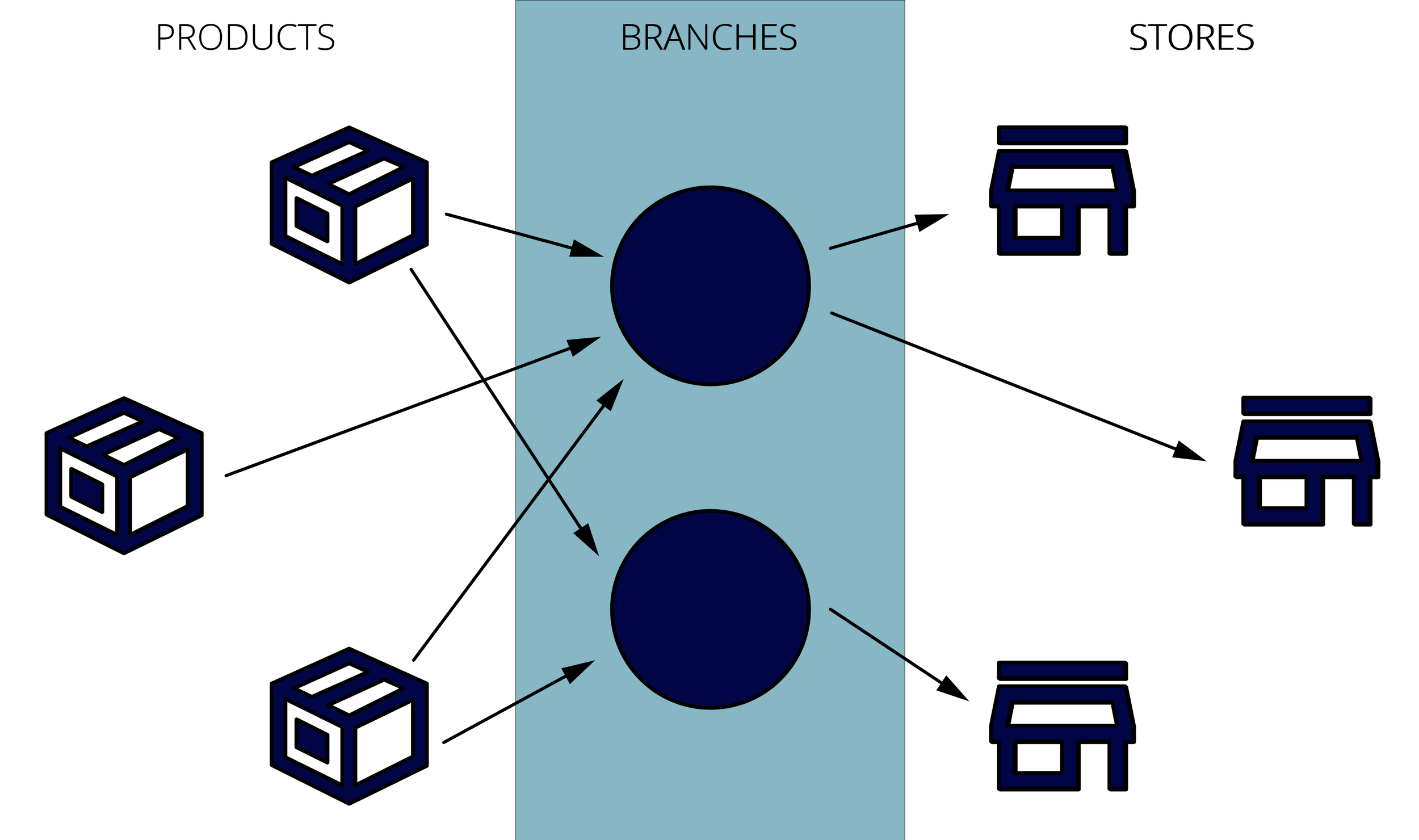
Suppliers were forced to upload unique spreadsheets for every single authorized branch, leading to massive fatigue and high error rates at scale.
The legacy workflow required data uploads for each individual store, creating a visibility gap: how do you display and manage products when they are viewed through the lens of 100+ different locations?

Discovery: Mapping the Current State
My team and I began by mapping the current state site map to identify every screen and engineering team impacted by this shift. We recruited a specific mix of Channel Managers, Field Reps, and Sales Coordinators—focusing specifically on those with the highest error rates—to build a visual model of current-state pain points.
Selecting Participants by Persona
Our goals for testing included:
Identifying appetite for multi-branch controls in the Supplier Experience
Create a visual model that could be used to identify pain-points in current state process.
Our recruiting emphasis was on the following:
Most frequent users of the branch or bulk spreadsheets
A mix of suppliers who experience higher error rates


Record and Comparing
Our testing protocol divided testing activities into a series of slides over the course of a 1:1 interview allowing easy comparison across participants.

Identifying Themes
Stakeholder, Researcher, and Design resources participated in finding themes in our recorded feedback. Individual groups of similar observations were pooled together and measured across persona identifiers allowing to find the most prevalent themes.
Synthesis: Risk vs. Knowledge
After conducting 1:1 interviews using a structured slide-based protocol, we pooled our observations with stakeholders and engineers. We plotted these themes on a Knowledge vs. Risk axis. This collaborative session ensured that the work we prioritized wasn't just "nice to have," but focused on the highest-risk gaps in the supplier's journey.


Atomic Design & Iterative Prototyping
We utilized an Atomic Component Design System, where every interface element is built from nested sub-components. This allowed us to iterate at a high-speed sprint cadence. We built high-fidelity prototypes with data-accurate validation to test screen variations against both engineering feasibility and user expectations.


The Result & Next Steps
The initial release focused on the creation of new records, but the impact went further. Our research revealed that 50% of participants were ready for an API-based solution. By proving the value of multi-branch controls, we secured a permanent spot for this work on the product roadmap, with future iterations focusing on direct data-table management.