DAT Logistics Shipment Lifecycle
Role Lead UI/UX Design | User Research
Untangling a 16-app ecosystem into a unified shipment lifecycle
The mission was to create a unified source of truth. Managing a shipment across an enterprise ecosystem is often a fragmented journey. I led a massive architectural consolidation effort to merge 16 disparate applications into a single, cohesive lifecycle. By auditing our library of conflicting statuses and requirements, I created the definitive map of how goods move through our ecosystem.
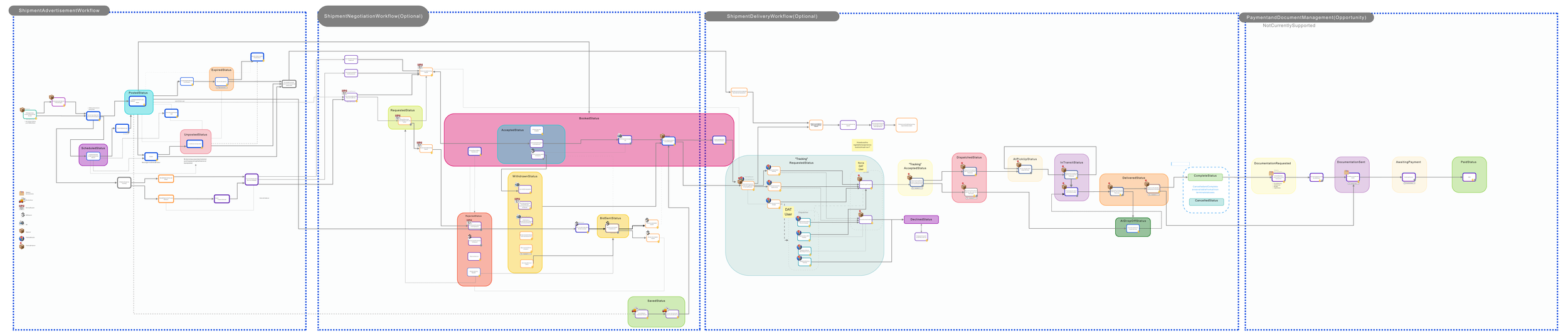
The Problem of Fragmentation
Operational data was scattered across 16 different platforms, each with its own definitions, triggers, and logic. The company’s logistics were a "complicated mess." With 16 different apps handling various stages of a shipment, statuses were inconsistent and often contradictory. Stakeholders lacked a unified understanding of what it took for a shipment to enter or exit a specific phase, leading to tracking errors and massive manual overhead in communication.
This wasn't just a design task; it was an investigative one. I facilitated a series of multistage stakeholder meetings to track down the hidden logic within each application. I interviewed dozens of internal partners to define exactly what every status meant, the technical requirements to trigger them, and the dependencies required to move a shipment to the next stage.
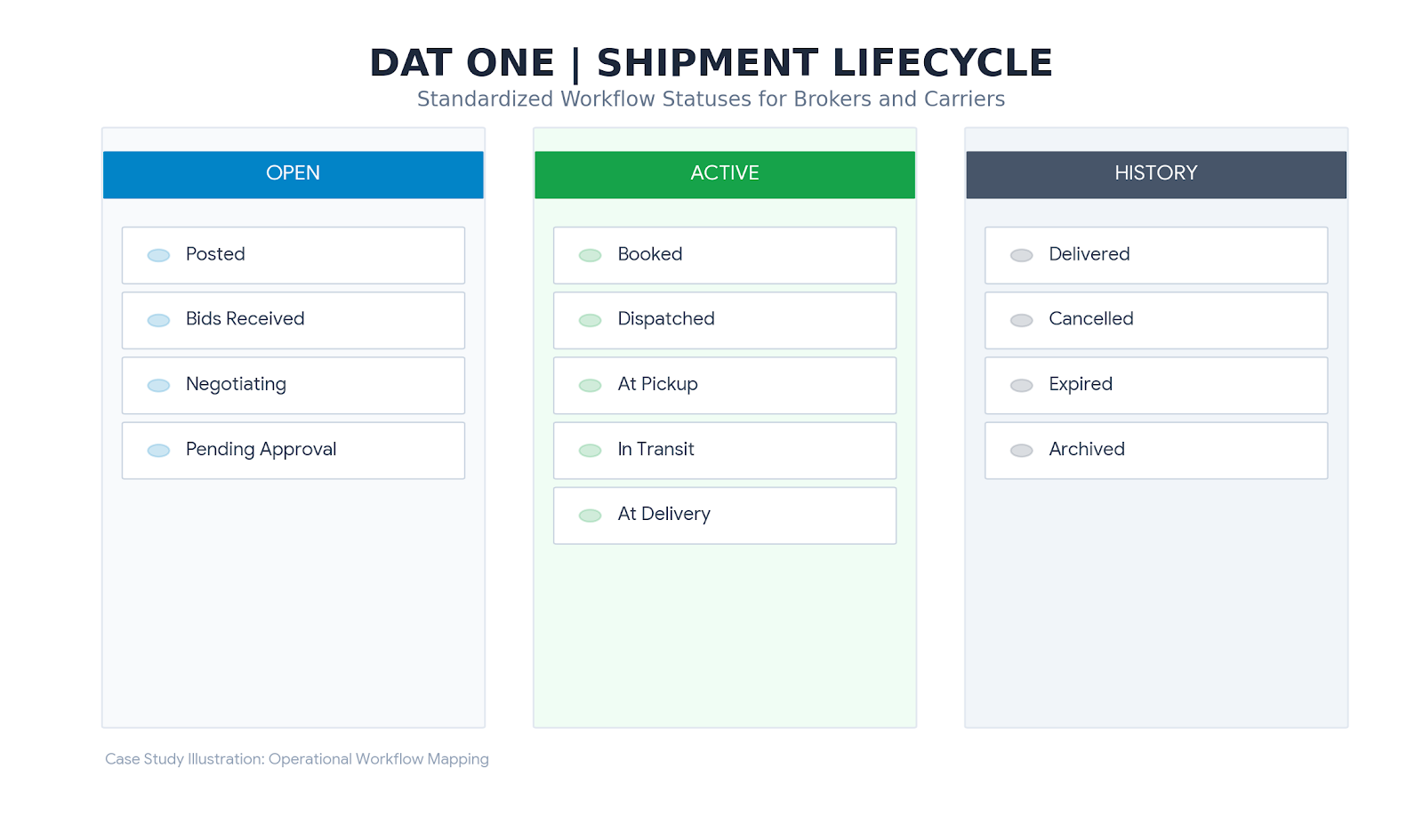
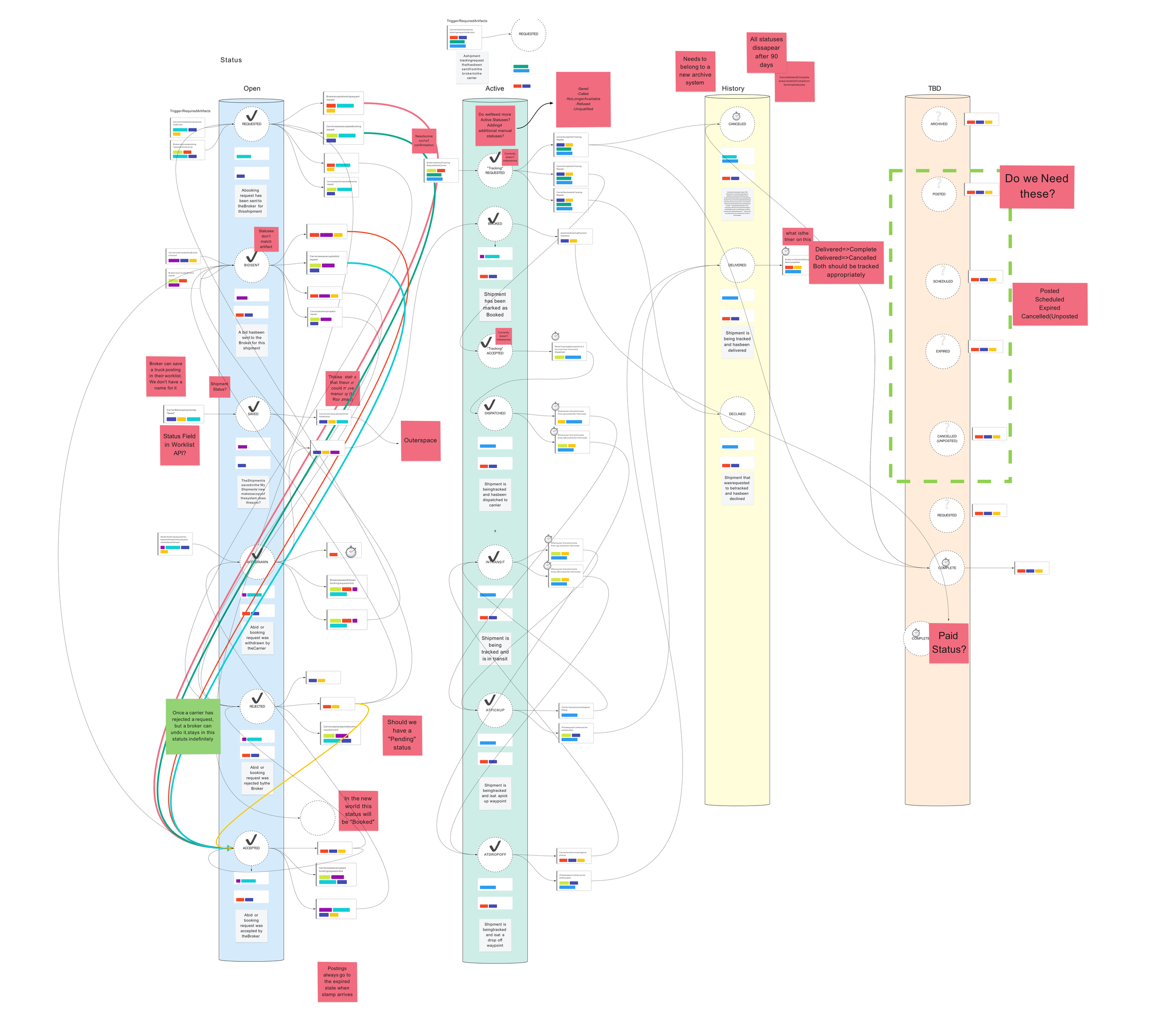
Standardizing the "Entry and Exit" logic
I moved beyond simple visualization to define the Requirements Logic. For every node in the lifecycle, I established clear "Gateways": what data must be present to arrive at this status, and what actions must be completed to leave it. This standardized the shipment journey, ensuring that regardless of which app a user was in, the data remained consistent and reliable.
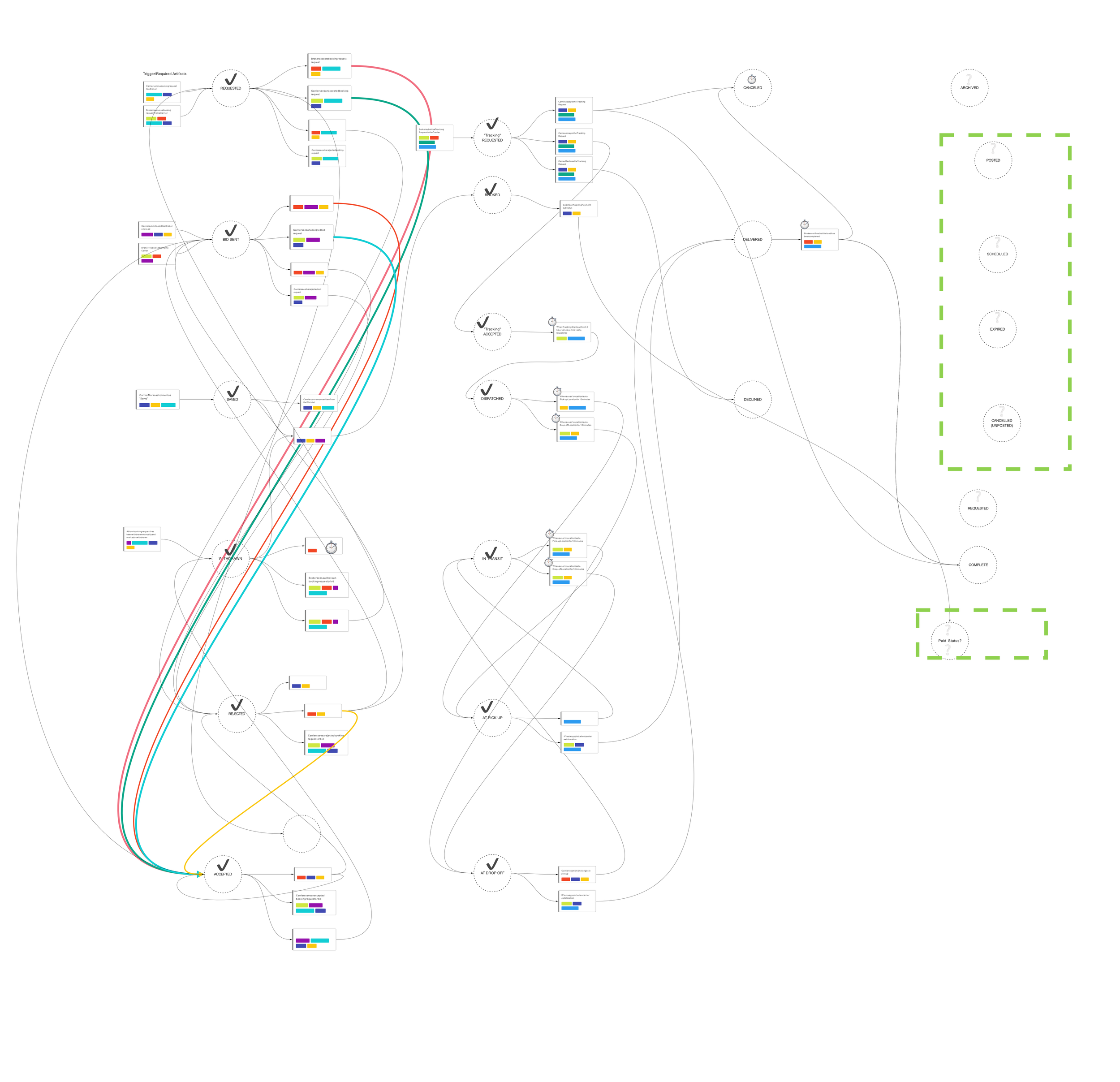
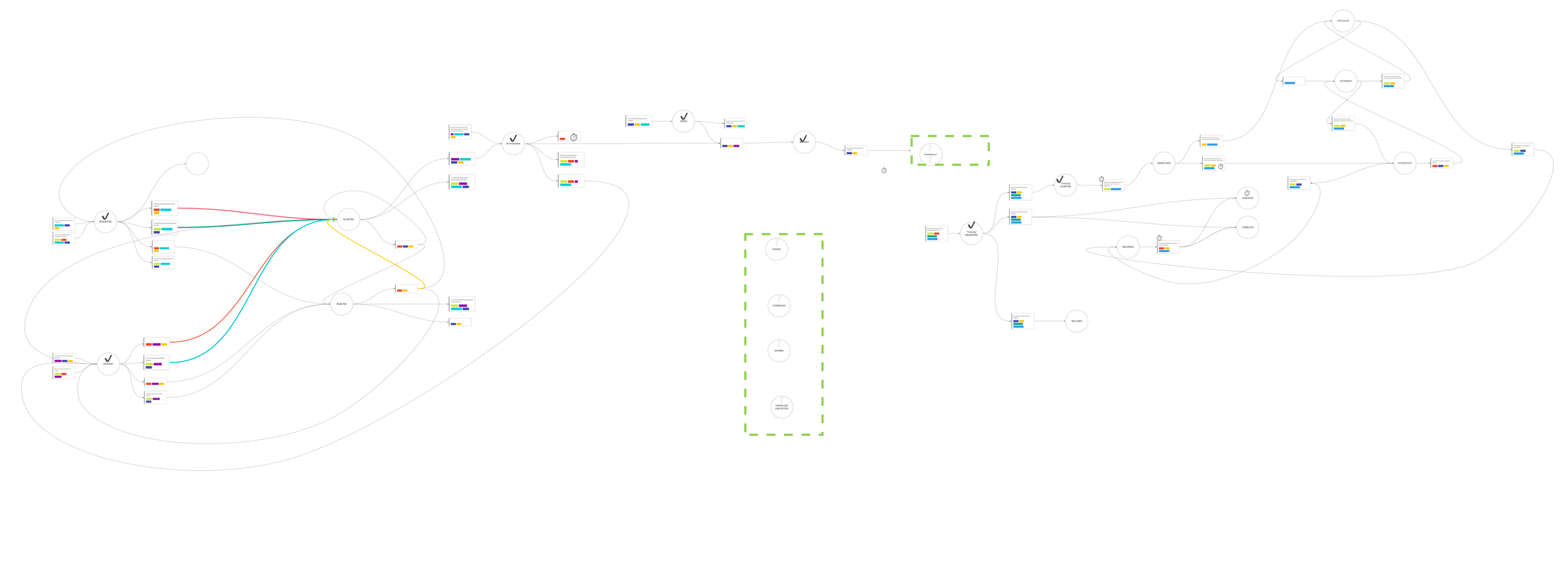
The Solution: A blueprint for the entire company ecosystem.
The final deliverable was a comprehensive, multi-stage shipment lifecycle map. This document serves as the foundational blueprint for engineering, product, and operations. It provides a shared language for the entire organization, reducing the cognitive load for developers and ensuring a "single source of truth" for the shipment journey from first mile to last.
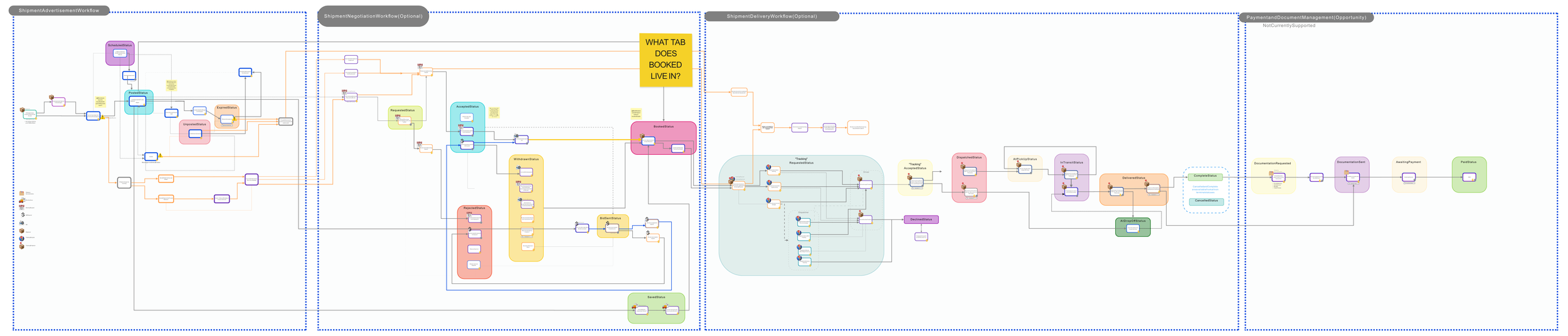
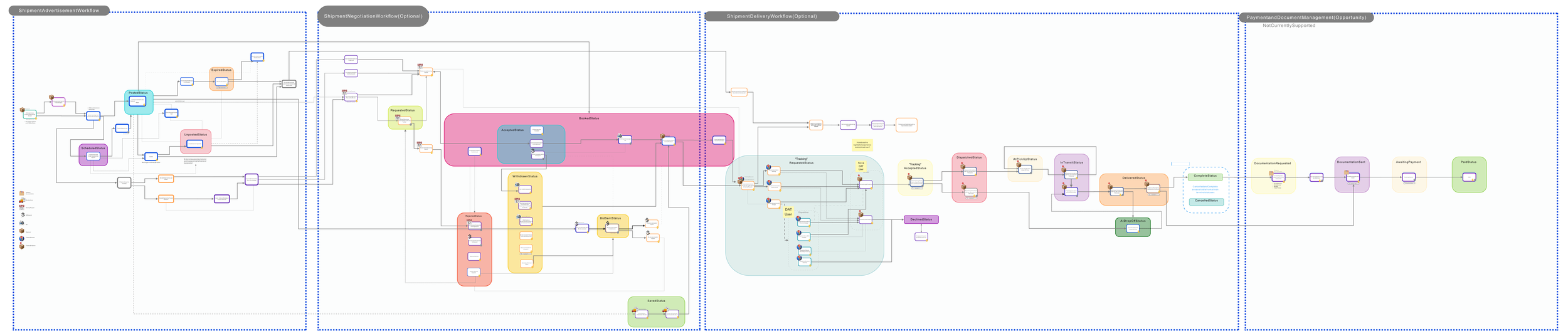
The Impact: Architectural clarity and reduced technical debt.
By consolidating 16 disparate workflows into one, we didn't just create a diagram—we created a strategic asset. This map allowed the organization to identify redundant processes, eliminate dead-end statuses, and provide a clear roadmap for future application consolidations. It transformed a "complicated mess" into a predictable, measurable, and scalable system.